

The Advantages of a Ceramic Coffee Grinder
Ceramic grinders are renowned for their long-lasting durability and performance. They last longer than steel blades and won't rust or corrode when exposed to hot environments. However, they're not as sharp as stainless steel.
Dual-tool grinding heads comprise a ceramic grinding wheel for rough grinding and a flexible grinding wheel for finishing grinding. This new solution allows for the machining of shaped surfaces with variable curvature in the same machine tool.
High-strength blades
The blades are constructed of a tough material which retains its sharpness for longer than steel. This feature helps to preserve the quality of the coffee beans which is an important aspect to consider when selecting the right grinder. It also ensures that the grind of coffee is consistent and consistent, which is crucial for a perfect process of brewing. This is particularly important when brewing an espresso, since uneven grinding could result in poor extraction.
The long-lasting nature of a grinder made of ceramic also makes it easier to clean than other models. This is because the ceramic burrs are not prone to contamination from rust and other metal particles. Additionally, the non-metal blades do not leave marks on stone or tile surfaces, which can require additional cleaning. Ceramic blades are less prone to corrosion and will not taint the flavor of your coffee.
Ceramic blades are a relatively new product, initially created for industrial processes that required round rotating blades and later made available to kitchens at home. While these blades are more durable than traditional metal ones, they must be weighed against their increased cost and less long-lasting. The long-term advantages could be worth the price of ceramic knives.
All ceramics begin as powder or clay, which is then mixed with water to create a binding agent. The final shape of the clay is then made by pressing. The "green" ceramics that result are very soft and difficult to handle by machines They must be "sinterned", or fired to harden. Then, they are able to be machined relatively easily.
Ceramics are used in a variety of applications, ranging from semiconductors to surgical devices. Zirconia is a very robust and durable material. Zirconia components can be produced by a variety of methods such as laser cutting, scribing, breaking, and mechanical machining. The parts can be polished and inspected to see the microstructure inside. This allows the exact characteristics of the ceramic to be identified.
Non-stick coating
The ceramic nonstick surface of grinders prevents the accumulation of resin. The coating is also easy to clean, and does not rust like other metals. It is also odorless, durable and resistant to chemical and scratches. Nonstick coatings do not all have the same characteristics. It is important to understand the differences between different types of coatings, such as how many layers there are and whether they are reinforced or not.
The history of nonstick coatings dates to the beginning of Greek cooking utensils. Archeologists have discovered a variety of pots that had a coating that prevented the dough from sticking to the pan. However, the modern nonstick coating was accidentally discovered in 1938 when a Chemours employee named Roy Plunkett accidentally created polytetrafluoroethylene (PTFE). This heat-resistant, high-density synthetic chemical compound is unique in the sense that it doesn't allow droplets of oil to form on its surface. It was trademarked as Teflon and was first used in cookware in the 1960s.
Nonstick grinding materials can be used in a variety of industrial manufacturing processes. This includes form grinding which is a special cylindrical grinding process that creates parts that are precisely the shape of the desired product. These parts are made of a variety of materials, such as Yttria-stabilized zirconia or Alumina. These materials are low-cost, have excellent wear resistance and are chemically stable.
In addition to preventing contamination, ceramic grinding tools assist in controlling the heat generated during the milling process. A well-designed cooling system is crucial to maintaining the quality of the workpiece as well as extending the life of the tool. This is because excessive heat can crack the pore structure in the grinding wheel, resulting a loss of accuracy.
SLX has developed the V2.5 ceramic nonstick coating for their grinders. It works similar to your typical Teflon fry pan. As opposed to Teflon this coating does not contain any PTFE or PFOA, and is completely inert. It is FDA certified safe for food contact and protected by a lifetime warranty. The SLX grinders are also engraved with a PTFE patent number and lot number to confirm.
Easy to clean
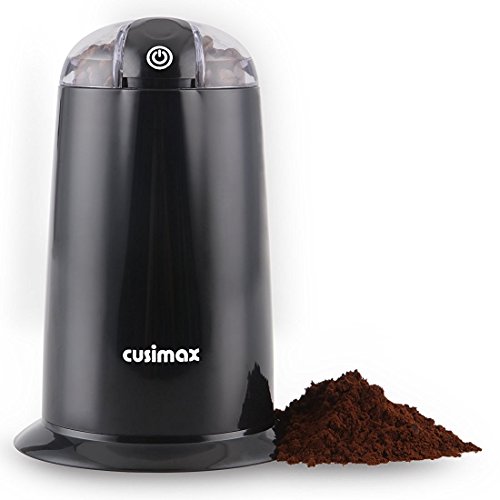
Ceramic grinders are simpler to maintain than steel ones since they don't hold oil and are less likely to heat buildup. Coffeee require regular cleaning to keep their good working condition. Clean your grinder at least once per week to avoid a sticky mess. This will ensure that it is free of contaminants, and won't alter the flavor or smell of your marijuana.
It is recommended to remove the lid and hopper, and also any removable gaskets for sealing. Wash these parts with soapy, hot water and then rinse them thoroughly. After washing, you can employ brushes to scrub the burrs and internal areas of your grinder. Then, rinse and dry it completely to avoid the formation of rust.
Ideally, you should use a stiff brush or paintbrush to get rid of difficult-to-access areas of your grinder. After you finish using a vacuum cleaner or hose attachment to clean up the remaining residue. Be careful not to soak into any screws or other pieces of your grinder. After you're done, your grinder should appear like new.
If you don't have a vacuum cleaner or brush or a scrubbing brush, you can boil your steel grinder to cleanse it. To do this, fill a pot with warm milk and heat it to about 150 degrees Fahrenheit (66 Celsius). When the temperature is right, submerge your metal grinder in the liquid. After an hour, remove the grinder and scrub it with the brush. Then, wash it thoroughly with hot water. Allow it to dry completely.
If you don't want use chemicals to dry your grinder, you can use the back of an AC unit or a hair dryer. Wipe down the hopper and the bin with a cloth that is free of lint. Avoid using the nozzle of the blower close to moving parts, because it could melt plastic or paint. You can also use a commercial cleaning solution such as those used by coffee shops to remove the oily residue.
Durable
In contrast to stainless steel grinders ceramic grinders are not prone to corrosion and won't rust. Ceramic is also renowned for its hardness. This makes it perfect for grinding applications that require precision. This is the reason why ceramic grinders are favored by professional chefs as well as home cooks. baristas. They are also less expensive than stainless steel grinders, making them an excellent option for buyers with limited budgets.
The longevity of a ceramic grinder is largely dependent on the type of construction. The material used to construct the blades can influence how long they last and how sharp they are. It is essential to choose a grinding machine made of ceramic that has high-quality stones seated properly in the grinder. It is also crucial to keep your grinding wheels cool and free of debris by using a lubrication and cutting fluid. The ceramics in a ceramic grinder are susceptible to damage due to excessive heat, which is why it's crucial to select a low speed setting to limit the amount of friction that is generated.
Ceramic burrs are also less thermally conductive than stainless steel ones. This feature can help maintain the desired flavor profile of the grinding process by reducing the possibility that coffee compounds could be damaged due to overheating. They are also more resistant to wear, which allows them to keep their sharp edge for longer.
Additionally, ceramic grinders produce fewer fines and retain less oil, leading to cleaner grinding and less residue buildup on the grinder. They are also easier to clean and maintain, and maintenance costs can be reduced significantly compared to steel-based grinders.
Another benefit of a ceramic grinder is that it is able to withstand higher temperatures than stainless steel, making it a perfect choice for environments that experience an array of ambient temperatures. This is particularly beneficial for espresso-based drinks that are typically made at higher temperatures than other varieties of coffee.
Although there are advantages to both types of grinders it is important to weigh the advantages and disadvantages of each. Stainless steel grinders are typically more affordable and have a premium feel. However, they could become duller or more damaged over time, which can lead to more expensive maintenance costs. A ceramic burr grinder, on the other hand, is durable and produces an even grind size however, it can be more expensive at first.